Construction Waste Clearance in Cricklewood

Introduction to Construction Waste Clearance
Construction projects, whether residential, commercial, or industrial, generate a significant amount of waste. Efficient construction waste clearance in Cricklewood is essential to maintain cleanliness, adhere to environmental regulations, and promote sustainability. Proper waste management not only helps in reducing the environmental footprint but also ensures that construction sites remain safe and organized.
In Cricklewood, a bustling area with numerous ongoing construction projects, the demand for reliable waste clearance services is higher than ever. Construction waste can include a variety of materials such as concrete, wood, metals, plastics, and hazardous substances. Handling and disposing of these materials require specialized knowledge and equipment to ensure compliance with local regulations.
Effective waste clearance involves several steps, including waste collection, sorting, recycling, and disposal. Each step plays a crucial role in minimizing the impact of construction activities on the surrounding environment and community.

Types of Construction Waste
Understanding the different types of construction waste is the first step in effective waste management. Common types of construction debris include:
- Concrete and Masonry: Broken concrete, bricks, and other masonry materials.
- Wood: Scrap lumber, plywood, and other wood products.
- Metals: Steel beams, copper wiring, and aluminum materials.
- Plastics: PVC pipes, plastic fittings, and other plastic components.
- Hazardous Materials: Asbestos, paint, solvents, and other harmful substances.
Each type of waste requires specific handling procedures to ensure safe and environmentally friendly disposal. For instance, hazardous materials like asbestos must be handled by certified professionals to prevent contamination and health risks.
Proper segregation of waste at the source can significantly improve the efficiency of the waste clearance process. By categorizing waste materials early on, recycling and disposal become more streamlined and cost-effective.

Benefits of Professional Waste Clearance Services
Opting for professional construction waste clearance services in Cricklewood offers numerous advantages:
- Efficiency: Professionals have the necessary equipment and expertise to handle waste quickly and effectively.
- Compliance: Ensures that all waste is disposed of according to local regulations, avoiding potential fines and legal issues.
- Environmental Protection: Promotes recycling and proper disposal, reducing the environmental impact of construction projects.
- Safety: Professional services minimize the risk of accidents and injuries on construction sites by properly managing waste.
- Cost-Effectiveness: While there is an upfront cost, professional services can save money in the long run by reducing waste disposal fees and increasing site efficiency.
By leveraging the expertise of waste clearance professionals, construction projects in Cricklewood can maintain higher standards of safety and sustainability, contributing to a healthier community.
Moreover, professional waste clearance services often offer customizable solutions tailored to the specific needs of a project, ensuring that all waste is managed appropriately.

Steps Involved in Waste Clearance
1. Assessment and Planning
The first step in the waste clearance process is assessing the amount and type of waste generated. This involves conducting a site survey to identify the materials that need to be removed and determining the best strategies for handling them.
Key Considerations:
- Volume and weight of the waste
- Types of materials
- Accessibility of the site
- Local disposal regulations
Proper planning ensures that the waste clearance process is efficient and minimizes disruptions to the construction schedule.
2. Collection and Sorting
Once the assessment is complete, the next step is collecting and sorting the waste. Segregating materials at this stage makes it easier to recycle or dispose of them appropriately.
Benefits of Sorting:
- Increased recycling rates
- Reduced disposal costs
- Compliance with environmental standards
Proper sorting can save both time and resources, making the overall process more efficient.
3. Transportation
After sorting, the waste is transported to designated recycling centers or disposal facilities. Professional services use specialized vehicles to ensure that waste is moved safely and efficiently.
Transportation Best Practices:
- Using appropriate containers and vehicles
- Securing waste to prevent spillage
- Following all transportation regulations
Proper transportation is crucial to maintaining the integrity of the waste materials and ensuring that they reach their intended destinations without issues.
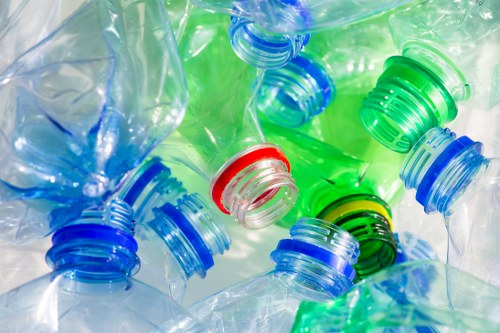
Recycling and Disposal Methods
Recycling is a key component of sustainable waste management. By recycling construction waste, we can reduce the need for new raw materials and decrease the overall environmental impact of construction activities.
Common Recycling Methods:
- Concrete Recycling: Crushed concrete can be used as a base for new construction projects.
- Metal Recycling: Metals can be melted down and reused in various applications.
- Wood Recycling: Reclaimed wood can be repurposed for new building projects or used as biomass fuel.
- Plastic Recycling: Plastic materials can be melted and reformed into new products.
In addition to recycling, proper disposal is essential for materials that cannot be reused. This includes hazardous waste, which must be handled by certified disposal facilities to prevent environmental contamination.
Effective waste clearance ensures that all materials are either recycled or disposed of responsibly, supporting the overall sustainability of construction projects in Cricklewood.
Regulations and Compliance
Compliance with local and national regulations is a critical aspect of construction waste clearance. In Cricklewood, specific guidelines govern how waste must be handled, transported, and disposed of.
Key Regulations to Consider:
- Environmental Protection Laws: Ensure that waste management practices do not harm the environment.
- Health and Safety Standards: Protect workers and the public from potential hazards associated with construction waste.
- Recycling Requirements: Mandate the recycling of certain materials to promote sustainability.
Non-compliance can result in hefty fines, legal action, and damage to a company’s reputation. Therefore, partnering with a professional waste clearance service that is well-versed in local regulations is essential.
Staying updated with any changes in regulations helps construction companies avoid potential pitfalls and maintain a good standing within the community.
Pro Tip: Regular training and updates for staff involved in waste management can help ensure ongoing compliance and efficiency.
Choosing the Right Waste Clearance Service
Selecting a reliable construction waste clearance service in Cricklewood is crucial for the smooth execution of your project. Here are some factors to consider when making your choice:
1. Experience and Expertise
Choose a company with extensive experience in handling construction waste. Their expertise ensures that they can manage a variety of waste types effectively and efficiently.
Questions to Ask:
- How long have you been in the waste clearance business?
- Do you have experience with similar construction projects?
- What certifications and licenses do you hold?
2. Range of Services
Ensure that the service provider offers a comprehensive range of waste management solutions, including collection, sorting, recycling, and disposal.
Additional Services to Look For:
- Hazardous waste handling
- Recycling and material recovery
- Scheduled pickups and flexible scheduling
3. Pricing and Transparency
Transparent pricing without hidden fees is essential. Request detailed quotes and compare them to ensure you’re getting the best value for your investment.
Pricing Factors:
- Volume of waste
- Type of materials
- Frequency of service
Cost-effective solutions should not compromise on quality. Balancing affordability with comprehensive service offerings is key.
4. Environmental Commitment
Choose a company that is committed to sustainable practices. This includes a focus on recycling, reducing landfill waste, and following environmentally friendly disposal methods.
Indicators of Environmental Commitment:
- High recycling rates
- Use of eco-friendly equipment
- Partnerships with green organizations
Environmental Impact of Construction Waste
Construction waste has a considerable impact on the environment if not managed properly. It contributes to landfill overcrowding, resource depletion, and pollution. Effective waste clearance practices can mitigate these negative effects.
Key Environmental Concerns:
- Landfill Usage: Large volumes of construction waste can quickly fill up landfills, leading to reduced space for other types of waste.
- Resource Depletion: Non-recycled materials require the extraction of new resources, which can be environmentally damaging.
- Pollution: Improper disposal of hazardous materials can result in soil and water contamination.
By implementing robust waste clearance strategies, construction projects in Cricklewood can significantly reduce their environmental footprint.
Recycling and reusing materials not only conserves natural resources but also minimizes the overall waste generated by construction activities.
Promoting sustainability through effective waste management is essential for the long-term health and prosperity of Cricklewood and its surrounding areas.
Benefits of Reducing Construction Waste:
- Conserves natural resources
- Reduces greenhouse gas emissions
- Promotes a cleaner and healthier environment
- Supports the local economy through recycling initiatives
Case Studies: Successful Waste Clearance Projects in Cricklewood
Examining successful waste clearance projects can provide valuable insights into best practices and effective strategies. Here are a few examples of how professional services have made a difference in Cricklewood:
Project A: Residential Complex Development
A large residential project in Cricklewood required the clearance of thousands of tons of construction waste. The waste clearance service implemented a comprehensive plan that included on-site sorting, recycling of materials, and responsible disposal of non-recyclable waste. As a result, the project reduced its landfill waste by 60% and adhered to all environmental regulations.
Project B: Commercial Office Renovation
During the renovation of a commercial office building, significant amounts of hazardous materials were identified, including asbestos-containing materials. The waste clearance team safely removed and disposed of these materials, ensuring compliance with safety standards and minimizing the project's environmental impact.
Project C: Industrial Facility Expansion
An industrial facility expansion in Cricklewood generated diverse waste types, from metals to plastics. The waste clearance service provided a tailored solution that maximized recycling and efficient disposal, helping the facility maintain its operational timeline without environmental setbacks.
These case studies demonstrate the importance of partnering with experienced and reliable waste clearance services to achieve successful project outcomes.
Tips for Effective Construction Waste Management
Implementing effective waste management practices can lead to significant benefits for construction projects. Here are some tips to enhance your construction waste clearance efforts in Cricklewood:
1. Plan Ahead
Incorporate waste management into your project planning from the outset. Identify potential waste streams and establish strategies for handling them.
Action Steps:
- Conduct a waste audit before starting the project.
- Set clear waste reduction and recycling goals.
- Allocate resources for waste management activities.
2. Educate Your Team
Ensure that all team members understand the importance of waste management and their roles in the process. Training can improve compliance and efficiency.
Training Topics:
- Proper waste segregation techniques
- Safety protocols for handling hazardous materials
- Use of waste management tools and equipment
3. Invest in Quality Containers and Equipment
Using appropriate containers and equipment can streamline the waste clearance process. Invest in sturdy bins, labeled containers, and reliable transportation vehicles.
Benefits:
- Prevents mixing of different waste types
- Reduces the risk of spillage and contamination
- Facilitates efficient waste collection and transportation
4. Monitor and Review
Regularly monitor your waste management practices to identify areas for improvement. Reviewing your processes can lead to increased efficiency and better environmental outcomes.
Monitoring Strategies:
- Track the volume and types of waste generated
- Evaluate the effectiveness of recycling initiatives
- Solicit feedback from team members on waste management practices
Continuous improvement is key to maintaining an effective waste clearance system.
5. Partner with Experts
Collaborate with experienced waste clearance services to leverage their expertise and resources. Professionals can provide valuable insights and solutions tailored to your project's needs.
- Access to specialized equipment and transportation
- Knowledge of local regulations and best practices
- Support in developing sustainable waste management strategies
Building strong partnerships can enhance the overall success of your construction projects.
Conclusion
Effective construction waste clearance in Cricklewood is essential for the success and sustainability of any construction project. By understanding the types of waste generated, adhering to environmental regulations, and partnering with professional waste clearance services, construction companies can significantly reduce their environmental impact and promote a cleaner, healthier community.
Implementing robust waste management practices not only ensures compliance and safety but also contributes to cost savings and operational efficiency. As Cricklewood continues to grow and develop, prioritizing construction waste clearance will be crucial in maintaining the area's reputation as a vibrant and sustainable community.
Don't let construction waste hold your project back. Contact us today to learn how our expert waste clearance services can support your construction needs in Cricklewood.