Effective Construction Waste Disposal in Cricklewood
Introduction to Construction Waste Disposal
Construction projects generate a significant amount of waste, which, if not managed properly, can have detrimental effects on the environment and the community. In **Cricklewood**, a bustling area with numerous ongoing developments, the importance of effective construction waste disposal cannot be overstated.
Proper waste management not only ensures compliance with local regulations but also promotes sustainability and efficiency in construction practices. This article delves into the various aspects of construction waste disposal in Cricklewood, providing insights and strategies for businesses and residents alike.
From understanding the types of waste generated to exploring the best disposal methods, we cover everything you need to know to manage construction waste responsibly.
Types of Construction Waste
Construction waste encompasses a wide range of materials, each requiring specific handling and disposal methods. The primary types include:
- Concrete and Masonry: Includes broken bricks, blocks, and concrete remnants.
- Wood: Scrap wood from framing, carpentry, and other construction activities.
- Metals: Steel beams, rebar, and other metal components.
- Plastics: Packaging materials, PVC pipes, and other plastic-based products.
- Drywall: Sheets of gypsum board used in interior construction.
Understanding the classification of construction waste is crucial for implementing effective disposal strategies. Each material has its own recycling potential and environmental impact.
Regulations and Compliance in Cricklewood
Cricklewood, like many areas in London, adheres to strict regulations regarding construction waste disposal. Compliance ensures that waste is handled in an environmentally responsible manner, reducing the community's carbon footprint.
The Environmental Protection Act sets the framework for waste management in the UK, including provisions specific to construction waste. Businesses must obtain the necessary permits and adhere to guidelines that dictate how waste is collected, transported, and processed.
Failure to comply with these regulations can result in hefty fines and legal repercussions. Therefore, staying informed about local laws is essential for any construction project in Cricklewood.
Waste Management Strategies
Implementing effective waste management strategies can significantly reduce the environmental impact of construction projects. Some of the key strategies include:
- Source Reduction: Minimizing waste generation from the outset by careful planning and material selection.
- Recycling and Reuse: Identifying materials that can be recycled or repurposed, reducing the need for new resources.
- On-site Sorting: Separating different types of waste during the construction process to streamline disposal.
- Partnering with Recycling Facilities: Collaborating with local recycling centers in Cricklewood to ensure proper disposal of materials.
- Training and Education: Ensuring that all workers are aware of waste management protocols and the importance of reducing construction waste.
Adopting these strategies not only supports environmental sustainability but can also lead to cost savings and improved project efficiency.
Recycling Facilities and Services in Cricklewood
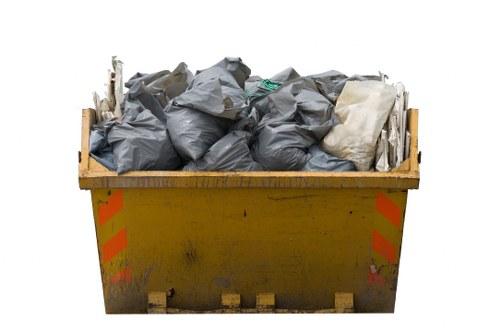
Cricklewood boasts several recycling facilities and waste management services dedicated to construction waste. These facilities provide specialized services for different types of waste, ensuring that materials are processed correctly and sustainably.
Some of the prominent recycling centers include:
- Cricklewood Recycling Hub: Offers comprehensive services for sorting and processing various construction materials.
- LDN Waste Management: Specializes in the bulk disposal of heavy materials like concrete and metals.
- EcoBuild Recyclers: Focuses on the reuse and repurposing of wood and drywall materials.
Choosing the right facility depends on the type and volume of waste generated. It’s advisable to consult with waste management experts to determine the most suitable options for your construction project.
Environmental Benefits of Proper Waste Disposal
Effective construction waste disposal offers numerous environmental benefits, including:
- Reduced Landfill Use: Minimizing the amount of waste sent to landfills conserves space and reduces methane emissions.
- Resource Conservation: Recycling materials reduces the need for raw resources, preserving natural habitats.
- Energy Savings: Producing recycled materials often consumes less energy compared to manufacturing new products.
- Lower Carbon Footprint: Sustainable waste management practices contribute to a decrease in greenhouse gas emissions.
By prioritizing proper disposal, construction projects in Cricklewood can play a vital role in promoting environmental sustainability.
Economic Advantages of Recycling Construction Waste
While environmental benefits are paramount, recycling construction waste also offers significant economic advantages:
- Cost Savings: Reducing the volume of waste lowers disposal fees and can provide revenue streams through the sale of recyclable materials.
- Resource Efficiency: Utilizing recycled materials can decrease the overall cost of materials needed for construction.
- Enhanced Reputation: Businesses that engage in sustainable practices can attract environmentally conscious clients and partners.
Investing in recycling infrastructure and partnerships can lead to long-term financial benefits for construction companies operating in Cricklewood.
Innovative Technologies in Waste Management
Advancements in technology have revolutionized construction waste management, making it more efficient and sustainable. Some of the innovative technologies include:
- Waste Tracking Software: These systems help monitor waste generation and disposal, ensuring compliance and optimizing processes.
- Automated Sorting Machines: Enhance the efficiency of sorting materials on-site, reducing labor costs and increasing accuracy.
- Smart Bins: Equipped with sensors to monitor waste levels and optimize collection schedules.
- Recycling Robots: Capable of sorting and processing materials with minimal human intervention.
Integrating these technologies into waste management practices can significantly improve the effectiveness of construction waste disposal in Cricklewood.
Challenges in Construction Waste Disposal
Despite the benefits, managing construction waste comes with its own set of challenges:
- Limited Space: Urban areas like Cricklewood often lack adequate space for on-site waste storage.
- High Disposal Costs: The costs associated with transporting and processing waste can be substantial.
- Complex Regulations: Navigating the myriad of local and national regulations can be daunting for construction firms.
- Lack of Awareness: Not all stakeholders are aware of the best practices for waste management, leading to inefficiencies.
Addressing these challenges requires a coordinated effort among businesses, authorities, and the community to develop practical solutions.
Best Practices for Construction Waste Management
Adhering to best practices ensures that construction waste is managed effectively. Key practices include:
- Comprehensive Planning: Incorporate waste management strategies into the project plan from the start.
- Regular Audits: Conduct periodic reviews to assess waste generation and disposal efficiency.
- Employee Training: Educate workers on proper waste handling and the importance of minimizing waste.
- Vendor Partnerships: Collaborate with suppliers who prioritize sustainable packaging and material reuse.
- Use of Eco-friendly Materials: Opt for materials that produce less waste and are easier to recycle.
Implementing these practices not only enhances sustainability but also boosts operational efficiency and cost-effectiveness.
Case Studies: Successful Waste Disposal in Cricklewood
Examining successful case studies provides valuable insights into effective waste management strategies. For instance:
- GreenBuild Project: This development incorporated on-site sorting and partnered with local recycling facilities, resulting in a 50% reduction in landfill waste.
- Cricklewood Estates: Implemented a comprehensive waste tracking system, leading to improved compliance and significant cost savings.
These examples demonstrate the tangible benefits of prioritizing construction waste disposal and can serve as models for future projects in Cricklewood.
Future Trends in Construction Waste Management
The landscape of construction waste management is continually evolving, with several trends shaping its future:
- Circular Economy: Emphasizing the reuse and recycling of materials to create closed-loop systems.
- Digital Transformation: Leveraging digital tools and data analytics to enhance waste management processes.
- Green Building Certifications: Increasing demand for sustainable construction practices to achieve certifications like LEED.
- Innovative Recycling Methods: Development of new techniques for recycling complex materials.
Staying abreast of these trends enables construction companies in Cricklewood to remain competitive and environmentally responsible.
Conclusion
Construction waste disposal in Cricklewood is a critical component of sustainable development. By understanding the types of waste, adhering to regulations, implementing effective management strategies, and embracing innovative technologies, businesses can significantly reduce their environmental impact.
Moreover, the economic benefits associated with recycling and efficient waste management can enhance profitability and operational efficiency. As the construction industry continues to grow, prioritizing responsible waste disposal will be essential for fostering a greener and more sustainable Cricklewood.
Contact us today to learn more about how you can implement effective construction waste disposal strategies in your projects.