Gladstone Park household rubbish clearance booking tips
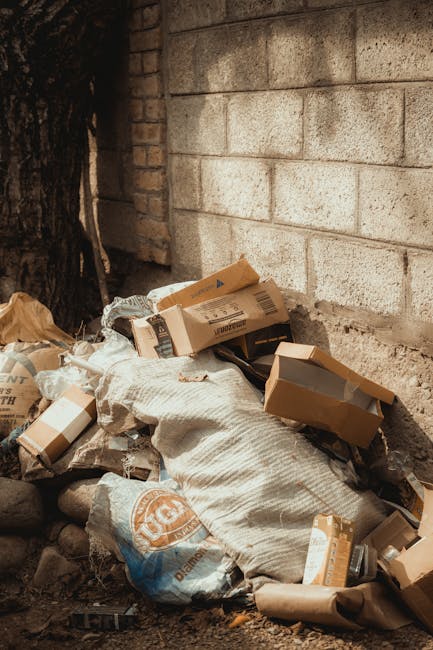
If you are trying to book household rubbish clearance in Gladstone Park, the process can feel simple on the surface and messy in practice. What counts as rubbish? How much needs removing? Do you need a permit, a skip, or a same-day collection? And perhaps the biggest one: how do you avoid paying for the wrong service? These Gladstone Park household rubbish clearance booking tips are written to help you make a calm, sensible choice without the usual last-minute panic.
Whether you are clearing a loft, dealing with a post-move pile-up, or finally getting rid of the broken bits that have been sitting in the garden since spring, a good booking starts with a bit of planning. Nothing dramatic. Just enough thinking to save time, money, and a headache or two. Let's walk through it properly.
Why Gladstone Park household rubbish clearance booking tips Matters
Booking rubbish clearance is not just a "ring and arrange" job. In a busy local area like Gladstone Park, space can be tight, parking can be awkward, and waste streams are more varied than people expect. A single household clearance might include old furniture, bagged rubbish, garden cuttings, broken appliances, and the odd item that really should not have been stored in the spare room for three years. It happens.
The right booking tips help you avoid three common frustrations: overpaying for capacity you do not need, underestimating how much waste you have, and choosing a collection method that does not fit your property. A lot of people only think about the removal vehicle. In practice, the real question is: what is the cleanest, quickest way to get the waste out of your home with the least disruption?
That matters even more if your home has limited access, shared driveways, narrow front paths, or on-street parking. A well-planned clearance can feel almost invisible to the neighbours. A poorly planned one can turn into a blocked pavement, a stressed phone call, and a rush to move everything twice. Not ideal, to be fair.
How Gladstone Park household rubbish clearance booking tips Works
At a practical level, household rubbish clearance usually follows a fairly straightforward pattern. You describe what needs removing, the provider estimates the volume or type of waste, and a collection time is arranged. Depending on the service, they may load everything for you, take it away in one visit, or advise you to use a skip or grab-style collection if the job is larger.
The booking tips part is what makes the process smoother. Before you confirm anything, it helps to think in this order:
- What exactly needs to go?
- How much space will it take once gathered together?
- Are there items that need special handling?
- Is access easy for a van, lorry, or skip placement?
- How quickly do you need the clearance completed?
That small bit of sorting saves a surprising amount of back-and-forth. For example, if you have mixed household clutter plus a couple of bulky items, a man and van style collection may suit you better than a larger skip. If the job is more about disposing of furniture or awkward items, services such as rubbish removal or mattress and sofa disposal can be a better fit than trying to force everything into one container and hoping for the best.
There is also the question of timing. Some clearances are planned well in advance. Others are the result of "we need this gone by tomorrow morning" moments. If you are in the second camp, it is worth checking services such as same-day skip hire where appropriate, but do not assume speed alone solves the issue. Access, waste type, and permit needs still matter.
Key Benefits and Practical Advantages
A well-booked household clearance does more than empty a room. It gives you control over the job. That sounds obvious, but when you are standing in a hallway surrounded by bagged clutter, old chairs, packaging, and a washing machine that gave up years ago, control is exactly what you want.
The main benefits are usually these:
- Less stress on the day - You already know what is going, what stays, and how the team will access it.
- Better value - You avoid paying for a larger service than necessary.
- Faster completion - Clear instructions mean less time sorting at the kerbside.
- Cleaner presentation - Useful if you are preparing a rental property, selling a home, or just reclaiming space.
- Safer lifting and handling - Heavy or awkward items are moved with less risk to you and your property.
There is another benefit people often overlook: good booking habits help with responsible disposal. If you separate recyclable material, identify reusable items, and flag specialist waste early, the clearance can be handled more efficiently. If sustainability matters to you, that is not a side point. It is part of the job. You may also want to look at recycling and sustainability if you are trying to reduce what ends up as general waste.
And let's be honest, it just feels better when the job is done properly. The room is empty, the floor is visible again, and the whole house seems to breathe a bit easier. Small victory, but a real one.
Who This Is For and When It Makes Sense
Household rubbish clearance is not only for people doing a full renovation. In fact, many bookings are for ordinary life events: a family clear-out, a tenant move, a garage that has become a storage cave, or a garden that has quietly collected three seasons' worth of broken things.
This kind of booking makes sense if you are:
- clearing clutter after a move
- preparing a property for letting or sale
- emptying a loft, shed, garage, or spare room
- disposing of bulky items that are hard to move yourself
- dealing with mixed household waste that will not fit in normal bins
- trying to finish a one-off clean-up before guests, trades, or an inspection
It also makes sense if you are not sure what the waste includes. A lot of people do not realise how quickly "a few bags" can turn into a sizeable load once everything is brought downstairs. One hall cupboard, one under-stairs pile, and suddenly you have a proper job on your hands.
If the clearance includes a loft or awkward access point, services like garage and loft clearance may be more suitable than a general collection. If the waste comes from a heavier home project, you may need something closer to builders waste removal or construction waste clearance. That distinction matters more than people think.
Step-by-Step Guidance
If you want the booking to go smoothly, do it in a simple sequence. No overthinking, just clear decisions made in the right order.
1. Sort the waste by broad category
Start with what you know for certain. General household rubbish, furniture, appliances, garden material, and anything potentially hazardous should be separated mentally at first, then physically if possible. You do not need to organise every item into a museum display. Just make the pile understandable.
2. Take a rough volume estimate
Look at the pile and ask yourself whether it is a few bin bags, a small room's worth, or enough to fill a substantial part of a van or skip. This rough estimate helps determine whether you need a small domestic collection, a larger clearance, or a skip-based option. If you want to compare container sizes and typical expectations, skip sizes and prices is a sensible place to start.
3. Check access before you book
Front steps, narrow side passages, parking restrictions, locked gates, and upper-floor flats can all affect the best service choice. If the collection vehicle cannot park nearby, the job may take longer or need a different method. In a quiet street, that may be manageable. On a busy one, less so. Think about it before the booking is confirmed, not while the van is idling outside.
4. Identify any special items
Some items need extra care. Fridges, freezers, mattresses, old sofas, and electronic goods may all have different handling expectations. For a mixed household job, it helps to mention these upfront rather than hoping they will be "figured out on the day." If you have bulky white goods, fridge and appliance removal may be relevant.
5. Choose the right booking method
Not every job needs a skip. Some clearances are better handled with a loaded vehicle and labour. Others need a fixed container on site. If you expect the waste to go out quickly and the access is easy, a one-visit collection may be ideal. If you need time to fill a container gradually, a skip may suit you better. For homes with parking pressure, a wait and load skip hire arrangement can be a neat solution.
6. Confirm what is included
Ask whether the quote covers labour, loading, disposal, and any congestion or permit-related issue that may arise. You do not need a ten-page contract for a straightforward job, but you do need clarity. The "we'll sort it later" approach has a habit of becoming expensive.
7. Set the day up properly
On the day, clear a path, open gates, reserve parking if you can do so legitimately, and make sure fragile items are out of the way. If children, pets, or neighbours' shared access are involved, keep the route unobstructed. A little preparation can shave a surprising amount of time off the job.
That is the plain version. Simple, really. Not always easy, but simple.
Expert Tips for Better Results
Here are the small things that tend to make the biggest difference, especially in a place where access, time, and parking all matter.
- Photograph the waste before booking. A few clear images usually give a more accurate sense of volume and item type than a written description alone.
- Measure awkward items. If a sofa, wardrobe, or appliance needs to pass through a narrow stairwell, rough measurements help avoid surprises.
- Keep hazardous waste separate. Paint, chemicals, oily rags, batteries, and similar materials should be flagged early. Do not tuck them into a general pile and hope for the best.
- Group similar items together. It helps the clearance team load efficiently and assess recycling opportunities more quickly.
- Be honest about access. If there is no parking nearby or the front path is tight, say so. It is far better than "oh, it's just around the corner" once the crew arrives.
- Ask about recycling rates in general terms. You do not need a spreadsheet. Just ask how mixed waste is sorted and what can be diverted from disposal.
A useful rule of thumb: if you are unsure whether something can go, name it before the booking rather than during the lift. The few seconds it takes to explain could save a lot of time later. And yes, that includes the mysterious box in the loft that nobody wants to open.
If the job feels more complex than ordinary rubbish, look at related support such as house clearance or even office clearance if the contents have drifted beyond standard domestic clutter. A good provider should help you match the method to the mess, not just sell the most obvious option.
Common Mistakes to Avoid
Most booking problems come from a small handful of avoidable mistakes. Some are harmless. Others can get expensive fast.
- Guessing the volume too low. People often underestimate mixed waste once it is pulled together. That can lead to an undersized booking or a second visit.
- Forgetting about access issues. A job that looks easy from inside the house can become tricky if the vehicle cannot park close by.
- Mixing prohibited items into general rubbish. Hazardous or specialist items need to be identified early.
- Not checking whether the driveway or road setup affects the service. This matters especially where space is limited or a skip would need to sit on public land.
- Booking on speed alone. Fast is useful, but only if the service is still suitable.
- Leaving fragile or valuable items nearby. It happens. A lot. Then someone has to shuffle them out of the way in a rush.
There is also the classic mistake of clearing a room halfway, stopping for a week, and then calling for collection once the weather turns or the deadline arrives. We have all seen it. The better approach is to make the booking only when you are ready enough to finish the job within the planned window.
If your waste is bulky and awkward, consider whether mattress and sofa disposal or garden waste removal fits the load better than lumping everything into one generic category. Specificity often improves the quote.
Tools, Resources and Recommendations
You do not need specialist equipment for most household clearances, but a few practical tools make the process easier.
- Basic tape measure: useful for checking bulky items and access widths.
- Phone camera: photos help with quotes and reduce guesswork.
- Permanent marker and tape: handy for labelling items to keep, donate, or remove.
- Heavy-duty bin bags or rubble sacks: useful for smaller loose waste, though do not overfill them.
- Gloves and sturdy footwear: simple protection for sorting and moving items.
- Notepad or phone notes: good for listing items that need special handling.
From a service perspective, the most useful "resource" is still a clear, honest discussion before booking. If you are comparing methods, the pages on skip hire, domestic skip hire, grab lorry hire, and grab hire services can help you understand which approach suits different property setups and waste volumes.
If you are trying to keep costs under control, it may also help to compare the likely load with pricing and quotes and think carefully about whether a larger booking is truly needed. Bigger is not always better. Sometimes it is just, well, bigger.
Law, Compliance, Standards, or Best Practice
Household rubbish clearance is practical work, but it still sits within a framework of accepted waste-handling practice. You do not need to memorise legal wording to make a sensible booking, though it does help to understand the basics.
In the UK, waste should be handled responsibly by people or businesses that are authorised to do so. If you are hiring someone to remove rubbish, it is reasonable to expect that they know how to manage disposal, sorting, transport, and recycling properly. If a company is vague about where your waste goes, that is usually not a great sign.
There are a few points worth keeping in mind:
- Special waste needs special care. Items such as chemicals, oils, some electricals, and contaminated materials may not go in a standard mixed load.
- Parking and placement matter. If a skip or vehicle is placed on public land, permits may be required depending on local conditions and the exact setup.
- Access and safety are part of the service. A good provider should think about lifting safety, property protection, and sensible loading practices.
- Recycling should be handled honestly. Not every item can be reused or recycled, but a credible service should make a clear effort where possible.
For skips specifically, a permit question may arise when a container is needed on a road or other public area. If you are unsure, it is better to ask early than to assume it will be fine. The same goes for restricted items. If you have any uncertainty, ask before booking. Really, that saves everyone hassle.
You may also want to review practical policy pages like health and safety policy, insurance and safety, and skip hire permits if you are comparing providers and want to understand what standards they work to. Those pages are not about legal advice, of course, but they do show how a provider thinks about risk and responsibility.
Options, Methods, or Comparison Table
Different homes and different jobs need different approaches. Here is a simple comparison to help you decide what usually fits best.
| Method | Best for | Strengths | Trade-offs |
|---|---|---|---|
| Rubbish removal / man and van | Mixed household waste, bulky items, quick clear-outs | Flexible, labour included, good for tight access | May be less suitable for ongoing, gradually filled jobs |
| Domestic skip hire | Projects where you can fill waste over time | Simple if space is available, good for larger clearances | Requires space and sometimes permit considerations |
| Wait and load | Areas with limited parking or no place for a skip | Fast, avoids leaving a container outside | Needs the waste ready when the vehicle arrives |
| Grab hire | Larger, loose waste or heavier outdoor material | Efficient for bulky loads, less manual moving | Needs access and enough room for the grab vehicle |
If you have a straightforward household clear-out, a labour-based service may be easiest. If the job is tied to renovation or garden work, one of the more load-focused services may be better. For mixed jobs, comparing skip hire with rubbish removal is usually the right starting point.
Case Study or Real-World Example
Here is a realistic example. A family in a typical Gladstone Park terrace had three problem areas at once: a spare room full of old storage boxes, a broken wardrobe, and two heavy items in the hallway that had been waiting for attention for months. Not a dramatic hoard, just ordinary life getting away from them. You know how it goes.
At first, they thought a small skip would be easiest. Once they checked access, however, they realised the frontage was awkward and there was no comfortable place to leave a container without making parking difficult for the street. They switched to a labour-based household clearance instead. They sent a couple of photos, listed the larger items, and confirmed that the team would need to carry everything through a side passage. That tiny bit of detail made the difference.
On the day, the waste was grouped before the team arrived, the hallway was clear, and the clearance took less time than expected. The provider could separate the reusable wood, general household waste, and the awkward heavy items more efficiently because the booking had been specific. Nothing glamorous. Just a clean, tidy outcome with fewer surprises.
The lesson is simple: the more honest and concrete your booking is, the better the result. A vague booking often becomes a complicated one. A clear booking feels almost boring. Boring is good here.
Practical Checklist
Use this quick checklist before you confirm your booking.
- List the items that need removing
- Separate general rubbish from bulky items
- Flag appliances, sofas, mattresses, and garden waste
- Identify anything hazardous or unusual
- Take a few photos of the load
- Estimate whether the waste is small, medium, or large
- Check access, parking, gates, and stairs
- Decide whether you need one-off removal or a container on site
- Ask what is included in the quote
- Confirm the booking time and any arrival instructions
- Clear a path for loading on the day
- Keep valuable or fragile items out of the way
Quick expert summary: if you want a smooth clearance, focus on three things - accurate volume, honest access details, and the right service type. Get those right and most of the stress disappears before the job even starts.
Conclusion
Gladstone Park household rubbish clearance booking tips are really about one thing: making a practical job feel manageable. Once you know what needs removing, how it will be loaded, and what access looks like, the rest becomes far easier to handle. That is true whether you are clearing a single room, a whole house, or a cluttered outbuilding that has been quietly bothering you every time you walk past it.
The best bookings are the ones where the waste is described clearly, the service matches the property, and there are no awkward surprises on the day. Keep it simple, ask the sensible questions, and do not be shy about giving the full picture. It saves time. It saves money. And it saves that sinking feeling when the van arrives and everyone suddenly realises the wardrobe will not fit through the door. Lovely moment, that one - or not so lovely, actually.
If you are ready to move from planning to action, take a few minutes to compare your options and confirm the type of clearance that genuinely fits your home, your access, and your schedule.
Get a free quote today and see how much you can save.
Frequently Asked Questions
What should I prepare before booking household rubbish clearance in Gladstone Park?
Start by listing the items you want removed, estimating how much space they take, and checking access to the property. A few photos usually help a lot. If you have bulky or unusual items, mention them early so the right service can be arranged.
Is rubbish clearance better than hiring a skip for a house clear-out?
It depends on the job. If you want someone to load the waste for you and you have limited access, rubbish clearance is often easier. If you have space for a container and want to fill it over time, a skip may suit you better.
How do I avoid paying for the wrong service?
Be specific about what you need removed, how much there is, and whether there are access issues. The most common mistake is underestimating the load. If in doubt, compare a labour-based collection with skip options before booking.
Can I mix household rubbish with furniture and appliances?
Often yes, but the provider needs to know exactly what is included. Furniture, mattresses, sofas, and appliances may be handled differently from general bagged waste. The more specific you are, the more accurate the booking will be.
Do I need to sort everything before the team arrives?
You do not need to organise every item like a showroom, but it helps to group waste into rough categories. Keeping general rubbish, bulky items, and any special items separate makes loading quicker and clearer.
What if my road has tight parking or limited access?
Tell the provider before booking. Tight access can affect the best method, especially if you are considering a skip or large vehicle. In some cases, a wait and load arrangement or a smaller clearance vehicle is the better option.
Are there items that usually need special handling?
Yes. Fridges, freezers, some electricals, chemicals, oils, and other potentially hazardous materials should be flagged in advance. If you are not sure about an item, ask before the booking is confirmed.
How far in advance should I book?
If the job is straightforward, booking a little ahead gives you more flexibility. If you need a fast turnaround, ask about availability early because same-day or next-day slots can be limited. Best not to leave it to the last minute if you can avoid it.
What is the best option for a loft or garage clear-out?
It depends on volume and access. If the space is awkward or full of mixed items, a dedicated clearance service may be easier than a skip. If you are removing a lot of waste over time, a skip could still be the better fit.
How can I make the clearance cheaper?
Reduce the volume where possible, separate out anything recyclable, and be accurate about the load. Choosing the right service for the job matters more than trying to squeeze everything into the cheapest-looking option. Cheap and wrong is still wrong.
What should I ask before confirming a booking?
Ask what is included, how access affects the job, whether special items can be taken, and whether there may be any additional charges related to parking or permits. Clear answers at this stage prevent most problems later.
Is it worth comparing skip hire with rubbish removal?
Absolutely. They suit different situations. Skip hire can be ideal for ongoing projects, while rubbish removal is often better for quick household clear-outs where labour and flexibility matter. A short comparison now can save a lot of hassle later.
Sometimes the smallest bit of planning is what turns a messy day into a manageable one. That's the real win.