Cost-Effective Ideas for Bulky Waste Item Removal
Bulky waste items such as old furniture, mattresses, appliances, and garden debris can quickly accumulate, creating clutter in your home and backyard. However, disposing of such large waste items doesn't have to be expensive or difficult. In this comprehensive guide, we explore cost-effective bulky waste removal solutions suited for every situation. Discover practical, eco-friendly, and affordable approaches to clear your space without breaking the bank.
Why Consider Cost-Efficient Bulky Waste Disposal?
Many homeowners and tenants find themselves overwhelmed by bulky household items that are either damaged or no longer needed. Improper disposal poses environmental hazards and may even result in fines. Choosing budget-friendly bulky waste removal methods not only saves money but also helps reduce your carbon footprint and supports your community.
- Save Money -- Avoid hefty landfill fees and expensive private services.
- Reduce Environmental Impact -- Reuse and recycling help conserve resources.
- Support Charities -- Donate items in good condition to those in need.
- Stay Compliant -- Meet local disposal regulations and requirements.

Top Cost-Effective Bulky Waste Item Removal Strategies
There is no one-size-fits-all solution to affordable bulky waste item disposal. The best method will depend on the type and condition of your items, local facilities, and your budget constraints. Here are the most popular and effective approaches:
1. Check Local Council Collection Services
Many municipalities offer free or low-cost bulky item pickups for residents. These collection services often accept items like sofas, mattresses, and white goods.
- Contact your council for the schedule and list of accepted items.
- Prepare items according to local guidelines (e.g., remove doors from refrigerators).
- Book appointments ahead--slots may fill quickly.
Pro tip: Some councils limit the number of items per collection. Organize community pick-ups to maximize efficiency and save costs.
2. Donate Usable Items to Charities
Giving items a second life through donation is eco-friendly and economical. Many charities and non-profits accept large furniture, appliances, and other bulky objects in working condition.
- Call Local Charities -- Organizations like Salvation Army or Habitat for Humanity often offer free pick-up.
- Support Thrift Stores -- Donate clean, usable items for resale.
- Community Organizations -- Some community groups collect items for refugee resettlement or low-income families.
Remember: Only donate items that are clean and safe. Many places will not accept damaged, broken, or unsanitary goods.
3. Sell Bulky Items Online or at a Garage Sale
Turn your trash into cash! Selling unwanted stuff is not only a cost-effective large item removal solution, but it also gives others an affordable alternative to buying new.
- List items on platforms like Craigslist, Facebook Marketplace, OfferUp, or Gumtree.
- Host a neighborhood garage sale for both small and large objects.
- Mention "buyer must pick up" to save on transport expenses.
This approach is ideal for gently used furniture, bikes, yard tools, and more.
4. Break Down and Recycle Components
Disassembling items yourself can cut down removal costs, as some recycling depots charge by volume or weight. Many bulky waste items can be recycled in parts:
- Metal Frames -- Often accepted at scrap yards for free or even for cash.
- Wood Items -- Reuse for DIY projects or compost if untreated.
- Electronics -- Most cities offer e-waste recycling at drop-off centers.
Always check with your local recycling center for the types of materials they accept.
5. Hire a Man & Van or Junk Removal Service
While hiring a professional junk removal company isn't always the cheapest bulky waste removal method, it can be practical for heavy or difficult-to-move items.
- Look for companies offering pay-per-load or shared truck services to save.
- Book during off-peak periods for possible discounts.
- Compare quotes from multiple providers to find the most affordable rate.
Bundling items with neighbors or friends can also help you split costs and get a better rate.
6. Use Local Landfill or Civic Amenity Sites Wisely
Most municipal landfills and household waste recycling centers allow residents to dispose of certain bulky items for free or at reduced rates. Be sure to:
- Sort your load by material type to speed up the process and avoid extra fees.
- Be aware of restricted and hazardous materials--these may require special handling.
- Bring proof of residence if required. Some facilities are for locals only.
This method is often the best for non-recyclable and unsalvageable bulky waste.
7. Community Clean-Up Events
Many neighborhoods organize annual or seasonal clean-up days. These events usually offer free bulk waste collection for all residents. Some provide dumpsters or trucks specifically for large waste items.
- Take advantage of these events to get rid of heavy or awkward items with no cost.
- Organize with your HOA or local council if no event exists in your area.
- Volunteer to help and contribute to a cleaner environment.
8. Repurpose or Upcycle Bulky Waste
Before deciding to part with a big item, consider if it can be repurposed or upcycled. Old furniture, pallets, doors, and even bathtubs can become creative projects:
- Transform a sofa frame into a garden bench.
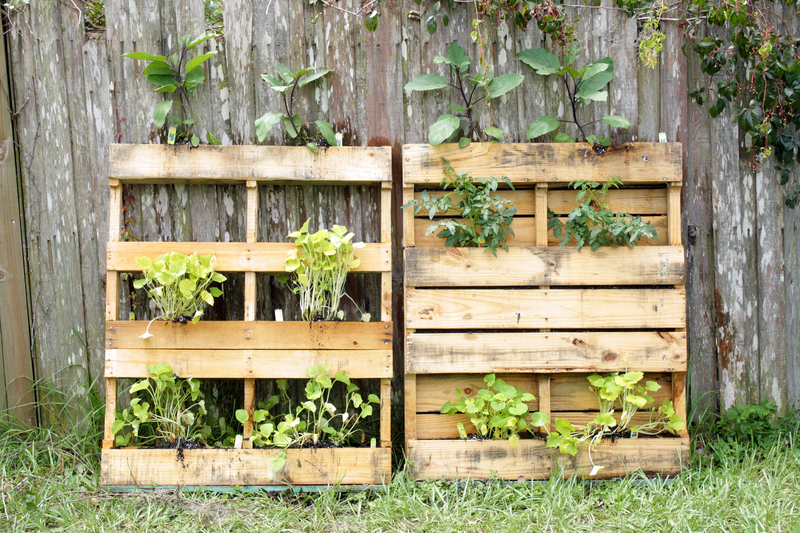
- Convert wooden pallets into compost bins or planters.
- Use old tires for playground equipment or raised beds.
This approach is both sustainable and can even save you money on new purchases.
Tips to Further Reduce Bulky Waste Removal Costs
- Plan Ahead: Gather and dispose of all items at once to avoid multiple trips or pick-ups.
- Group with Neighbors: Organize a bulk trash collection day together.
- Inspect for Recyclable Content: Many items contain valuable metals, plastics, or wood.
- Check Restrictions: Avoid fines by following local rules for bulky item disposal.
- Barter or Swap: Join local exchange groups--what is waste to you might be useful to someone else.
- Document for Tax Deductions: Some charitable donations of furniture and appliances are tax-deductible.
Common Bulky Waste Items and How to Dispose of Them Cost-Effectively
- Furniture (Sofas, Tables, Chairs) -- Donate usable pieces, sell online, use council pick-up, or take to recycling centers.
- Appliances (Fridges, Washing Machines) -- Check retailer trade-ins, council drop-off, metal scrap yards, or donation.
- Mattresses -- Specialized recycling programs, council pick-up, or junk removal services that handle recycling.
- Garden Waste & Branches -- Compost at home, bundle for council yard waste programs, or community green waste days.
- Carpet & Flooring -- Repurpose as garden paths, offer on reuse platforms, or landfill if non-recyclable.
- Electronics (TVs, Monitors) -- E-waste programs or retailer recycling events.
- Building Materials -- Donate surplus to building supply non-profits, reuse, or take to a construction recycling facility.
Frequently Asked Questions About Cost-Effective Bulky Waste Removal
What is considered bulky waste?
Bulky waste includes items too large or heavy for regular waste collection. Typical examples are furniture, appliances, mattresses, carpets, and large branches. Always check your municipality's definition, as it can vary by region.
How can I avoid disposal fees for large waste items?
To minimize or avoid fees, utilize free city pick-ups, donate usable items, recycle components, or participate in community clean-ups. Check local options before hiring private removal services.
What if my item cannot be donated or recycled?
When an item is beyond repair or not recyclable, your options may be limited to local landfill. Prepare the item according to recycling center or landfill requirements to avoid surcharges.
Are there safety tips for moving bulky waste?
Yes: Always use proper lifting techniques, team up with friends for heavy loads, and wear appropriate protective gear. For very large or hazardous objects, consider professional assistance.
Environmental Benefits of Responsible Bulky Waste Removal
Choosing eco-friendly and cost-effective methods for disposing of large waste items helps:
- Reduce landfill use, decreasing soil and water pollution.
- Support the circular economy by promoting reuse and recycling.
- Conserve resources through materials recovery.
- Support local jobs in recycling and charitable organizations.
When you take the time to get rid of bulky household items responsibly, you play an important role in protecting future generations.
Conclusion: Clearing Space, Saving Money
With these diverse, cost-effective ideas for bulky waste item removal, you don't need to overspend to reclaim your living space. By making smart choices--like donating, recycling, selling, or joining community efforts--you can dispose of large waste items affordably and sustainably. Don't forget to plan carefully, follow local regulations, and explore creative solutions before scheduling a landfill drop-off. Responsible, budget-friendly bulky waste removal is a win for your wallet and the planet!
Have more tips or questions? Share your experiences with bulky waste item removal in the comments below or reach out to your local council for details on available programs!